
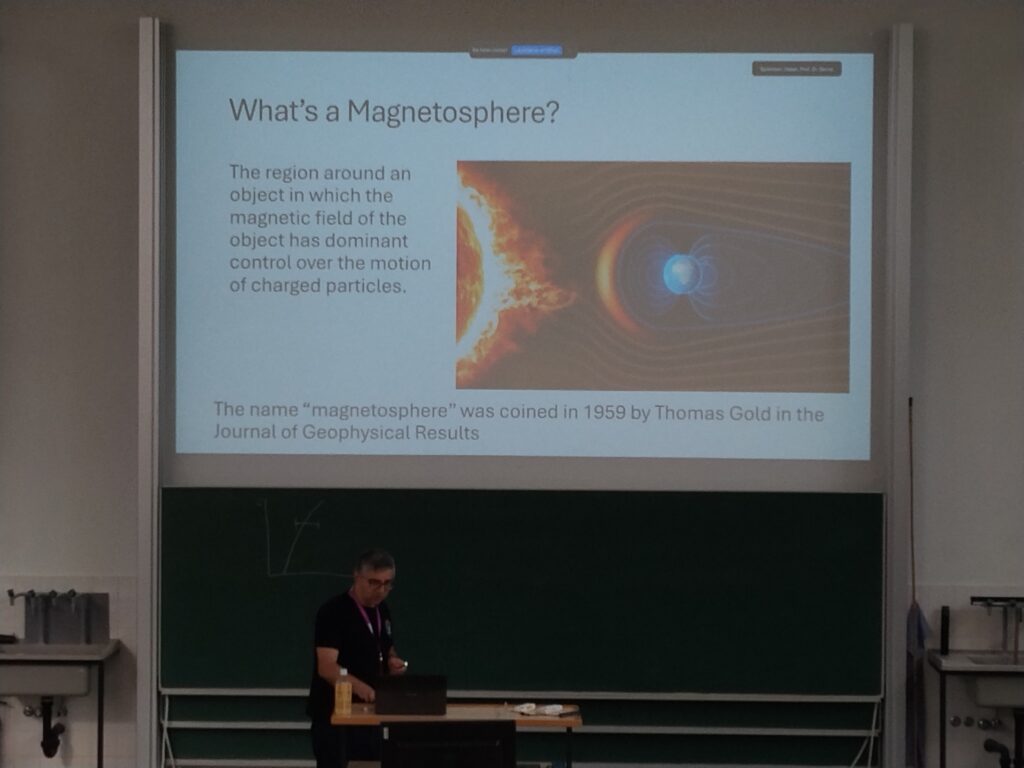
The second day of the SPEARHEAD School 2026 continued the combination of scientific lectures, practical training and direct exposure to the infrastructure supporting heliophysics research. The day began with a lecture by Alex Mishev on Cosmic Rays, introducing participants to their origin, propagation and detection, as well as their importance for heliophysics and space-weather studies. Ground based measurements by neutron monitors and their importance were emphasized and the travel of particles from the Galaxy and the Sun, through Earth’s magnetic field and atmosphere was highlighted.
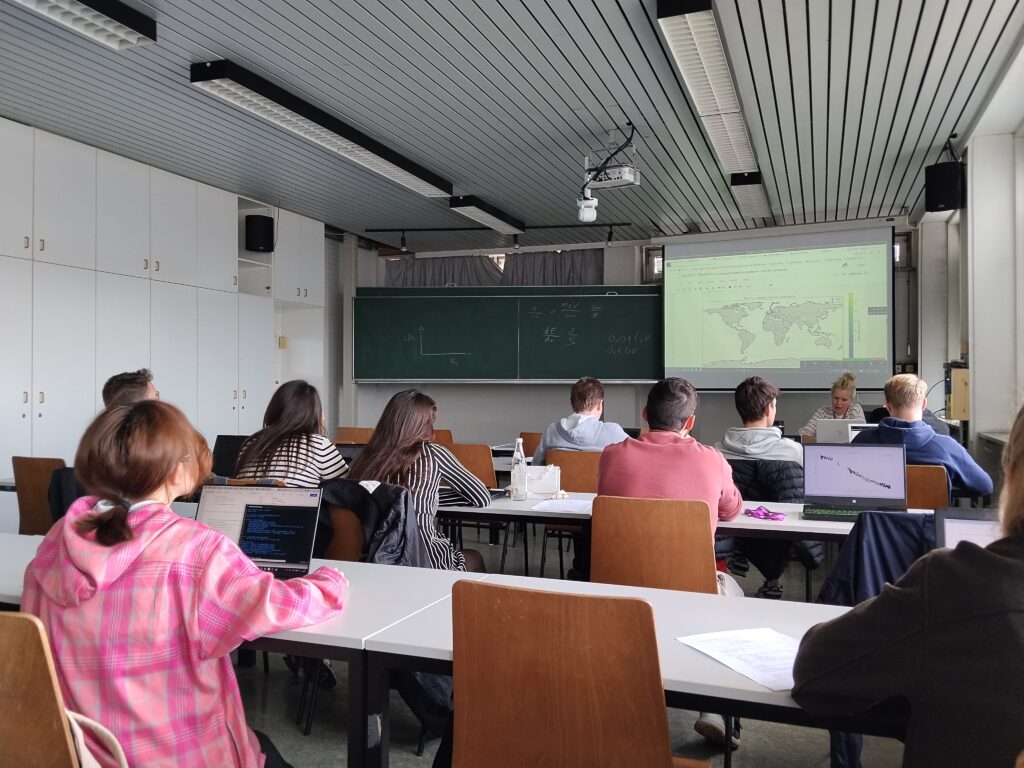
The lecture was followed by an engaging hands-on session with the OTSO tool, giving participants the opportunity to apply the concepts discussed in the lecture and explore the analysis and modelling of cosmic-ray access and propagation in the near-Earth environment.
A highlight of the day was the visit to Kiel-Rönne, where participants had the opportunity to see first-hand some of the infrastructure used for space-science communications and data reception. During the visit, the group explored the antenna facilities that support communication and reception of space-mission data. These systems are used to receive beacon data from several heliophysics missions, including STEREO, ACE and IMAP and also include facilities capable of targeting the Moon.
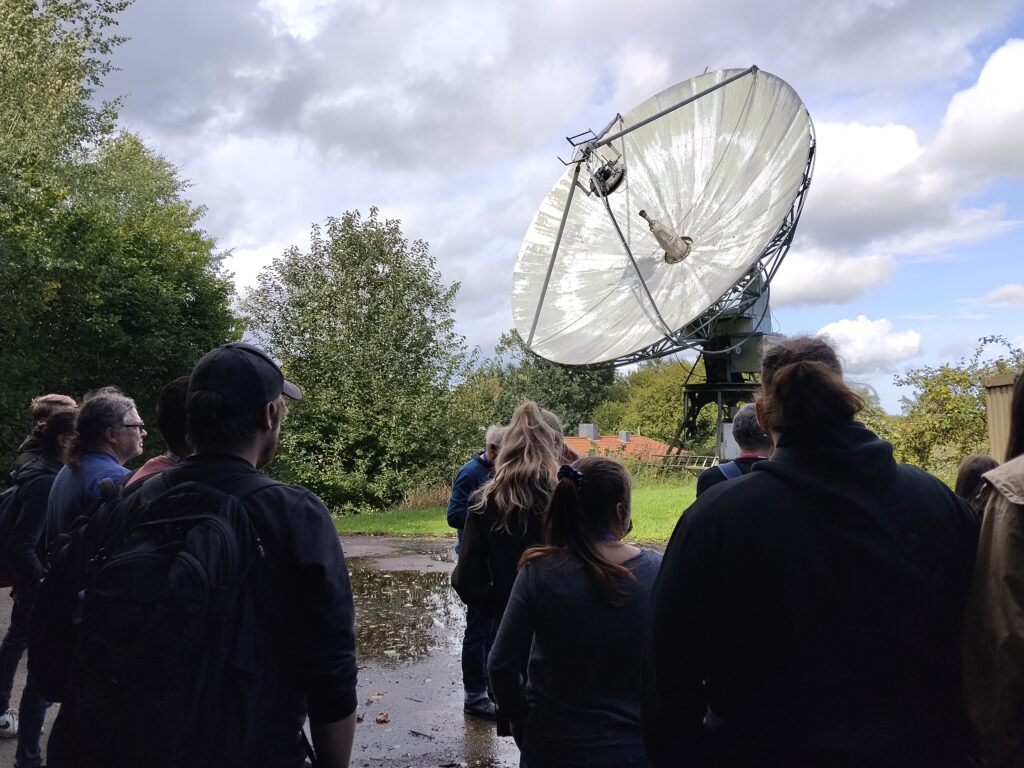
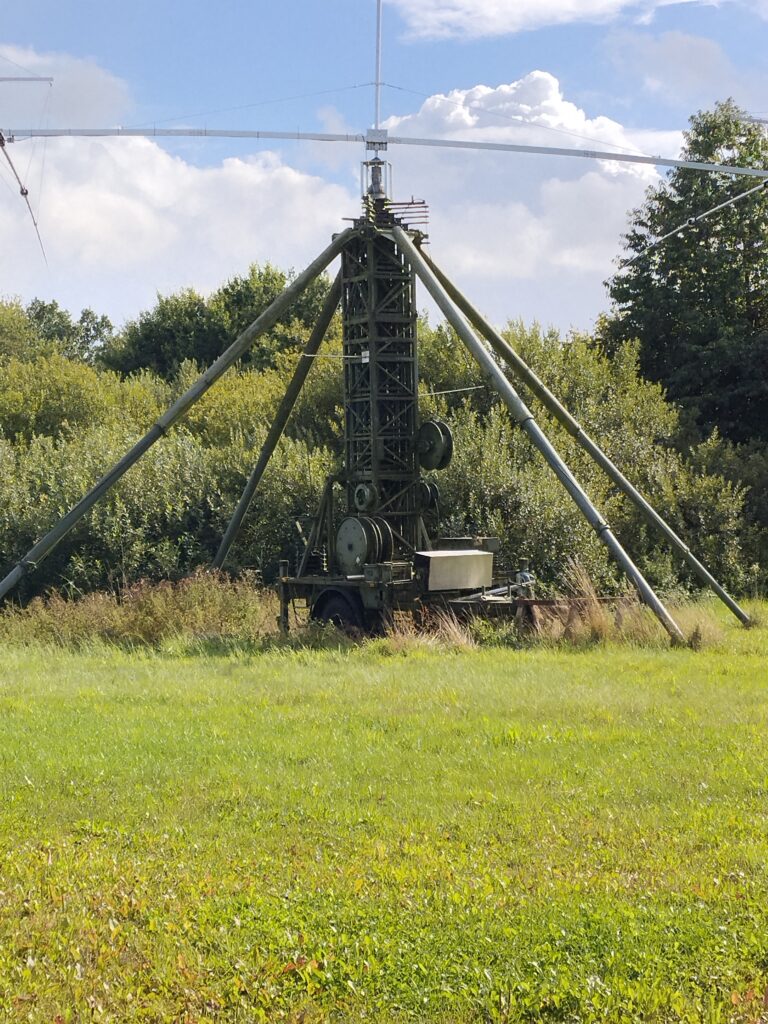
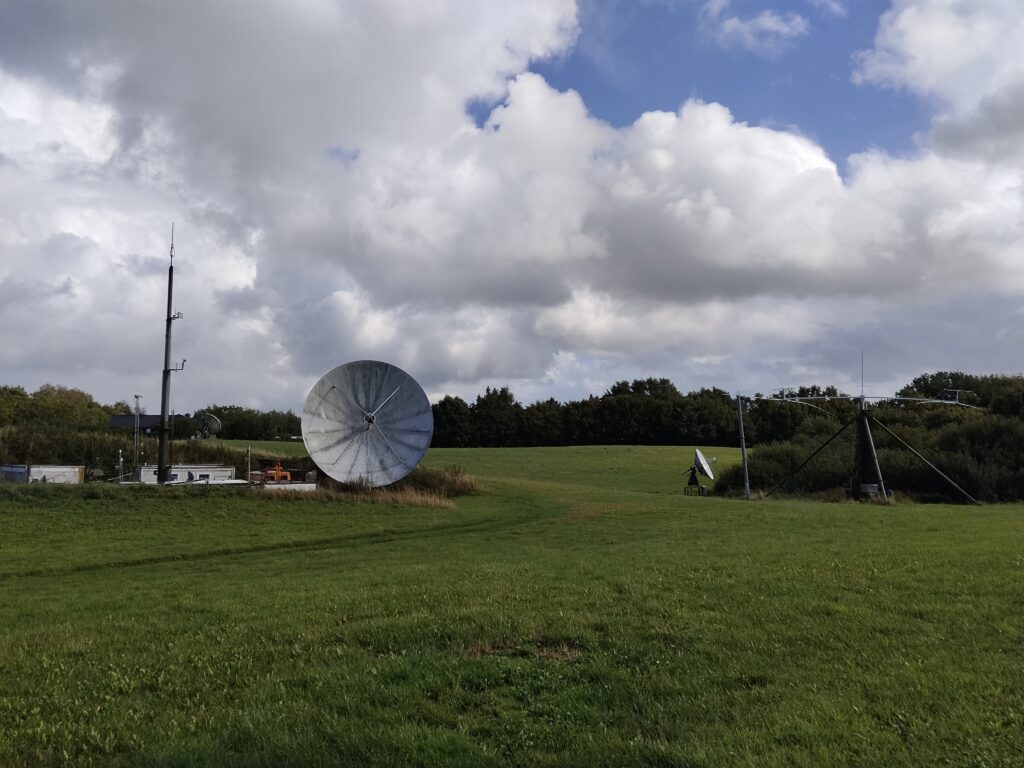
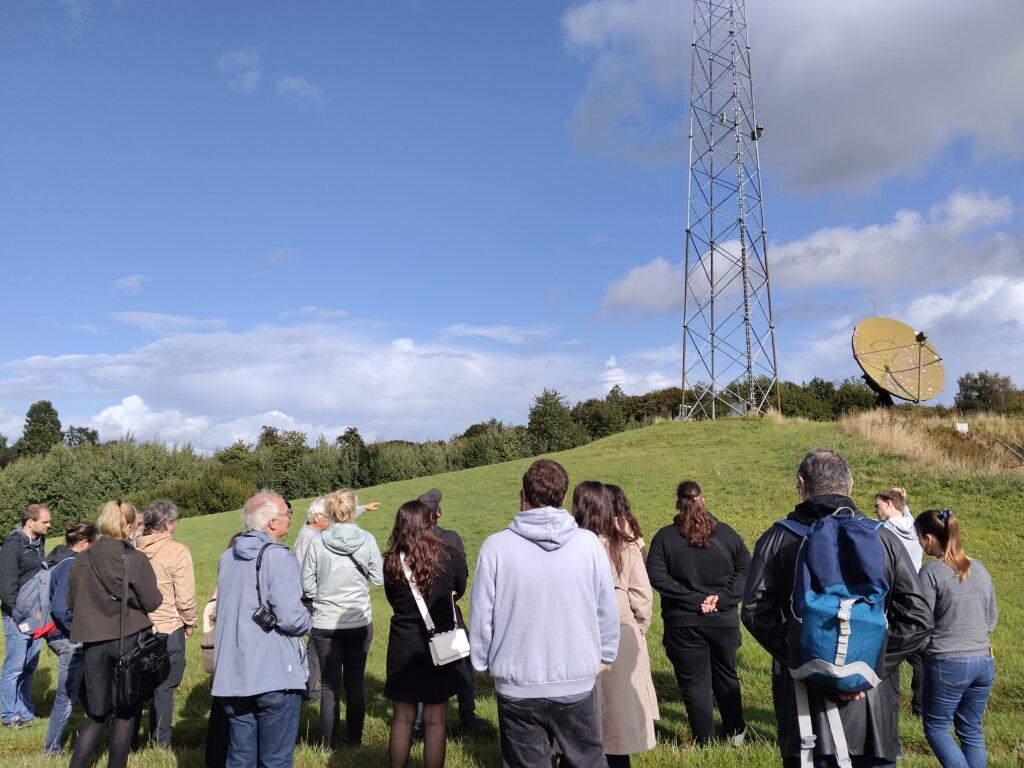
The visit provided a valuable link between the scientific data used during the School and the ground-based infrastructure that makes their reception and exploitation possible.
Day 2 therefore connected Cosmic Ray physics, practical analysis with OTSO, and the real-world infrastructure behind space-mission data acquisition — another important step in the hands-on approach of the SPEARHEAD School.